Research Overview
My research project focuses on the relationship between space, mental state, and sensory experience through an immersive 3D environment. The project explores how minimalist design can symbolise clarity, calmness, and order, while contrasting sensory elements can express the chaos and overstimulation often experienced by individuals with ADHD. The overall goal is to communicate my personal experience in a way that others can see, feel, and understand within a virtual space.
The main environment will be a minimalist white room, filled only with my favourite design pieces. This space represents how I want my life and mind to feel; calm, structured, and balanced. Every object in the room will be chosen deliberately for its form, texture, and meaning, reflecting design principles such as simplicity, order, and emotional functionality. The colour white will serve as a metaphor for mental clarity, but also emptiness, the ongoing effort to clear and control the clutter that constantly tries to creep in.
Behind this clean space, there will be a black door, slightly ajar, gently moving, and emitting faint sounds. This door acts as a visual and auditory symbol of the underlying chaos that sits behind the calm exterior. As the user moves closer to the door, the sound will grow more noticeable: subtle noises at first, developing into fragments of overlapping voices and shifting tones. The door represents the barrier between focus and distraction, between the person I present to the world and the constant noise within my mind.
When the user enters the black room, the environment changes dramatically. Inside, there will be flickering lights, abstract shapes, shifting colours, and overlapping voices, each representing thoughts and ideas colliding. The chaotic space symbolises the inside of my mind; fast-moving, unpredictable, and energetic. The voices will overlap and echo, creating a sense of tension and overstimulation that mirrors how ADHD feels internally. The goal is not to overwhelm the user but to offer them a glimpse into that constant stream of input and noise that demands attention.
From a user experience (UX) perspective, my aim is to design an emotional journey that transitions from calm to chaos, then back to reflection. The user will begin in a serene environment, allowed to explore and appreciate the purity of space, light, and texture. The gradual shift in sound and light as they approach the black door creates curiosity and slight tension. Once they enter the second room, they experience an intense sensory shift that highlights contrast and imbalance. This journey will be carefully balanced through lighting, spatial layout, and sound design to ensure it is powerful but not distressing.
I will be building the environment in Blender, creating detailed 3D assets, materials, and lighting setups. The scene will then be exported into Unity, where I will develop an interactive VR experience that allows full user movement and perspective control. This process allows for immersive storytelling that responds to the user’s position, enabling sound to change dynamically as they move closer to or further from specific objects. My research will therefore also include the study of spatial sound, environmental lighting, and interactive atmosphere, understanding how these can influence emotion and perception within virtual spaces.
I chose blender as my primary creative tool because it offers a complete flexible workflow for modelling, texturing, lighting and rendering within a single platform. Blenders non destructive node based system supports iterative design. A core principle of user centred and agile development, allowing me to experiment freely with materials, lighting and animation without loosing previous versions. its ability to export real-time formats such as .glb and.fbx makes it fully compatible with Unity. this makes it essential for testing my assets across VR environments. From a UX design perspective, Blender enables rapid prototyping and spatial testing. I can evaluate how scale, light and form effects user emotion.
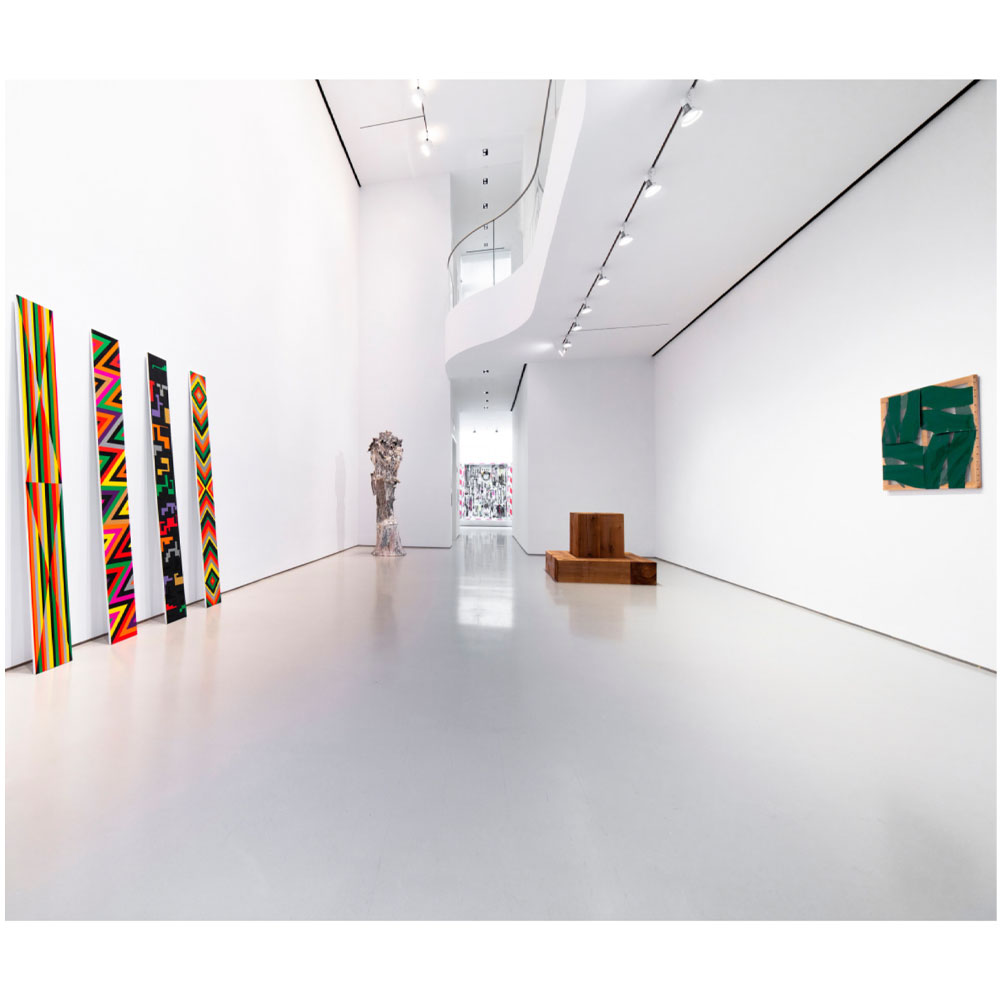
Several artistic and theoretical references inform my research. I am inspired by minimalist architecture and design movements such as Bauhaus and Japanese Zen interiors, which emphasise balance and reduction. Conceptually, I also draw from installation artists such as Helmut Lang and James Turrell, who use light, repetition, and space to evoke emotion and self-reflection. In a similar way, I want the user to question what each environment represents and how it makes them feel.
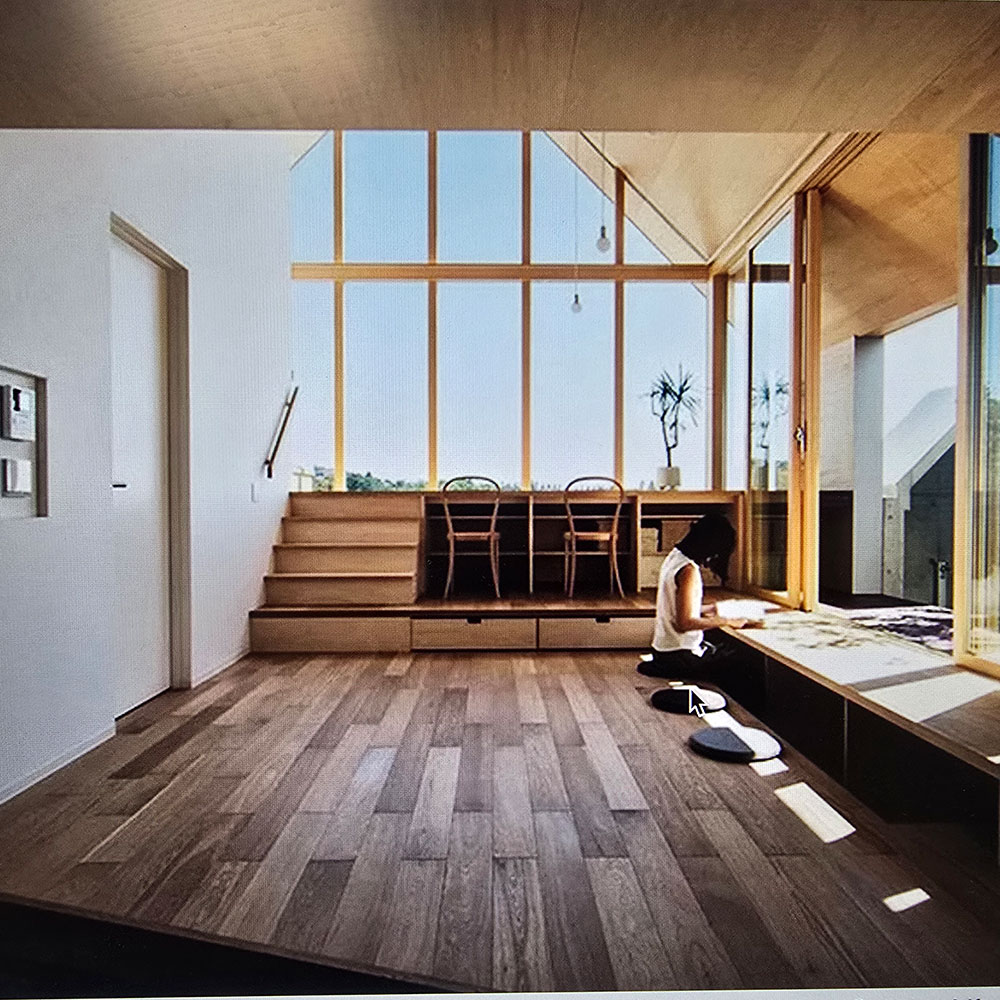
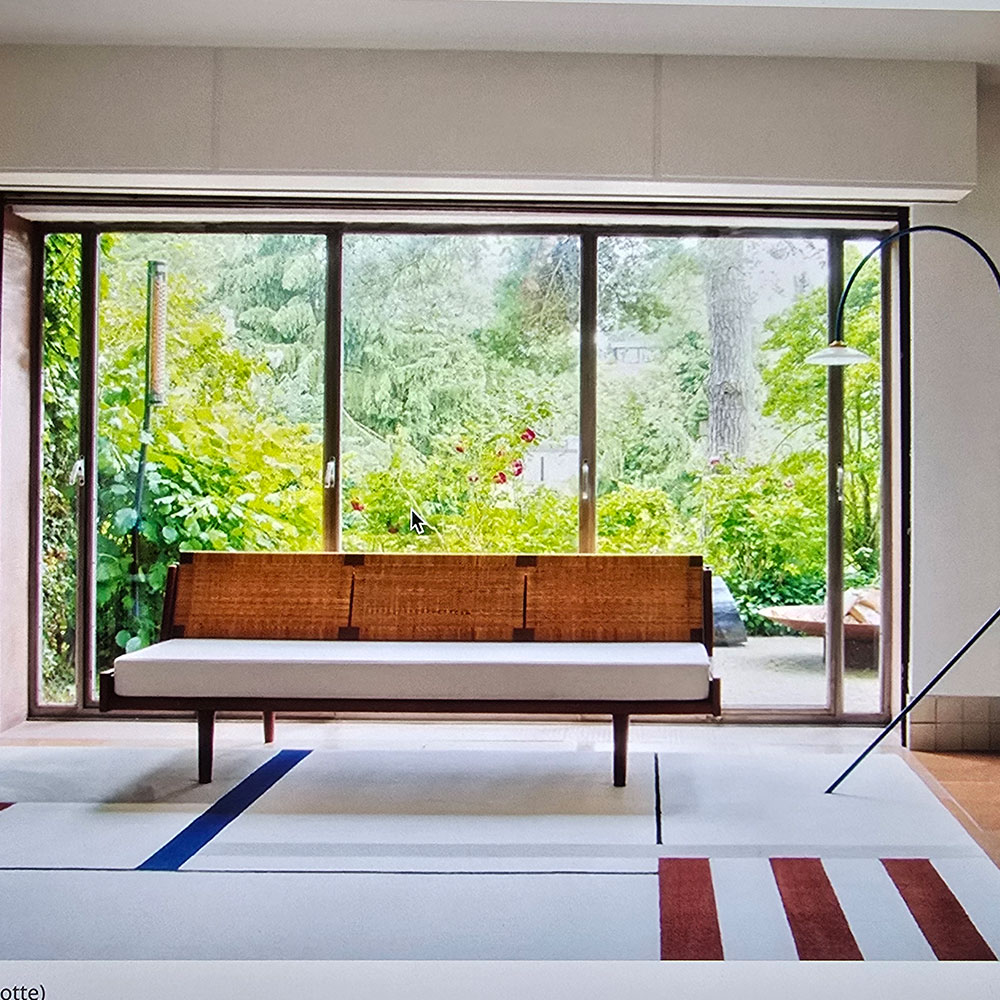
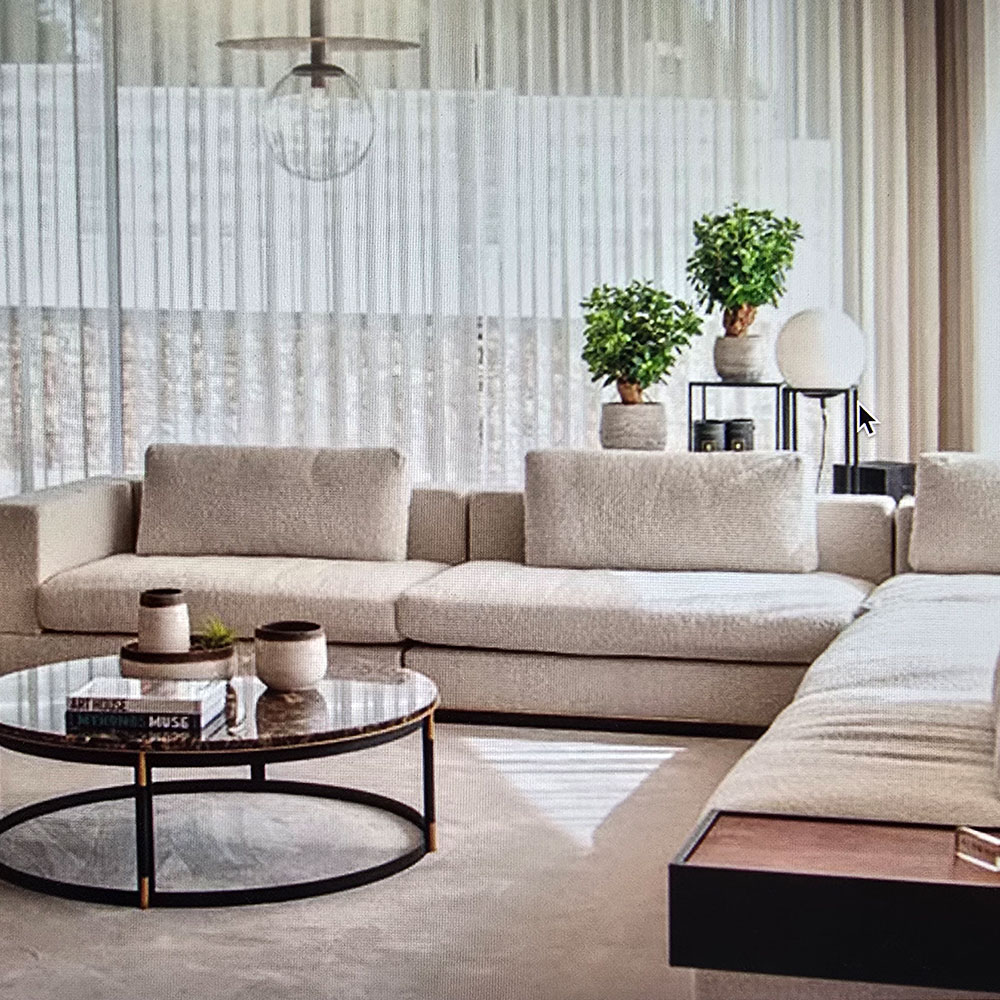
Ethically, I must consider the mental and sensory impact of the experience. Since the second room includes flickering lights and layered sound, accessibility is essential. I will include a warning before the experience begins to inform users of potentially triggering visual or audio effects, especially for those with conditions such as epilepsy, anxiety, or sensory sensitivity. I also plan to give the user control to exit or mute the experience at any time. In addition, I will ensure that the project is presented with sensitivity towards ADHD and neurodiversity,. Recent UX design research emphasises that neurodivergent users frequently experience digital and spatial environments differently due to variations in perception and sensor processing (Eriksen, 2024). consequently, my design choices deliberately reduce unnecessary visual and auditory complexity and ensure predictable transitions. I am aiming to raise awareness with ADHD rather than portray it negatively.
The purpose of this project is ultimately to bridge self-expression and empathy. By inviting others into a symbolic version of my mental landscape, I want to challenge how people perceive ADHD not as a disorder or chaos, but as complexity and energy that coexist with focus and creativity. The dual-room structure mirrors the constant push and pull between clarity and distraction that defines my daily experience. Through research into immersive design, user experience, and emotional storytelling, this project will help me develop a more meaningful, human-centred approach to digital art and VR design.
Project Plan
This Project plan outlines the development stages, milestones and deliverables for my immersive 3D VR environment, which represents the contrast between mental calm and chaos as a metaphor for my experience with ADHD. The plan follows and iterative design approach inspired by Scrum methodology, using user stories, weekly sprints and Trello boards to manage and monitor progress.
The project will be divided into five major phases:
- Concept and pre-production – Research, concept sketches and UX mapping.
- 3D Environment Creation – Modelling, lighting and texturing in Blender.
- Interactive Implementation – Exporting assets into Unity and building interactivity.
- User Testing and Refinement – Gathering feedback, adjusting pacing and optimising performance.
- Final Presentation and Evaluation -Creating the final VR build, documentation and reflective analysis.
The project will centre around the experience of the user as the explorer. I have developed a series of user stories to guide development and ensure the final piece remains user-centred:
- As a user, I want to walk freely around the white minimalist room so that I can feel calm and observe the details of the design.
- As a user, I want to hear subtle ambient sounds and light music to enhance the feeling of peace and focus.
- As a user, I want to notice a slightly moving black door that feels intriguing but unsettling, so I can sense there is more beyond the calmness.
- As a user, I want to choose whether or not to approach the black door, giving me agency within the experience.
- As a user, when I enter the dark room, I want to experience flickering lights, layered sounds, and shifting voices that create sensory chaos, helping me understand the feeling of ADHD.
- As a user, I want the intensity of light and sound to react to my movement, so the experience feels personal and alive.
- As a user, I want the user to be stuck once entered the room.
These stories will inform design priorities throughout each sprint, ensuring decisions are made from the user’s perspective rather than purely technical goals.
A Trello board will be used to manage and visualise progress through four main columns:
- Backlog: All potential ideas, references, and optional improvements.
- To Do: Active tasks assigned for the current sprint.
- In Progress: Tasks currently being developed (e.g., modelling, sound design, Unity integration).
- Done: Completed tasks, test renders, and user feedback actions.
Each card will include a description, checklist, deadline, and attachment space for images or sound files. Weekly reviews will ensure progress is on track and that tasks align with milestones.
Some challenges I anticipate include optimising performance within Unity, balancing visual intensity with user comfort, and managing audio complexity to avoid distortion. I plan to address these by maintaining version control, testing iteratively, and using Unity’s performance profiler. If technical limitations arise, I will adapt the design to prioritise storytelling and atmosphere over complexity.
By the end of this project, I will have produced a fully functioning VR experience that explores the tension between order and chaos. The process will demonstrate my ability to combine 3D design, sound, interactivity, and UX principles into a cohesive research project. The structured milestones will ensure continuous progress while allowing for creative flexibility and reflective development throughout the module.
Milestone 1: Concept and Research
- Develop sketches, mood boards and storyboards
- Research minimalist versus chaotic design themes
- Study lighting, sound and user-experience principles
- Review accessibility and ethical considerations
- Plan Trello board and sprint structure
Deliverables
- Research portfolio and storyboard
- Concept documentation uploaded to Trello
1-2 weeks
Milestone 2: Environment Modelling (Black and White Rooms)
- Model both spaces in Blender: furniture décor and architecture
- Create materials (wood, glass, metal and emissive lights)
- Test lighting setups for calm and chaotic atmospheres
- Render early 360 degrees test images for review
Deliverables
- Completed Blender environments
- Preview renders for feedback
3-5 weeks
Milestone 3: Unity Integration and Interactivity
- Export Blender scenes into Unity
- Setup player movement and collision
- Add animated door trigger linking rooms
- Implement spatial audio that reacts to proximity
- Add basic UI elements (Enter option)
Deliverables
- Interactive Unity build (v1.0)
- Functional navigation and sound triggers
6-8 weeks
Milestone 4: Testing, Feedback and Optimisation
- Conduct small scale user testing (3-5 participants)
- Gather feedback on comfort, clarity and emotional impact
- Optimise lighting and audio balance
- Refine transitions between calm and chaotic rooms
- Check performance and accessibility compliance
Deliverables
- Refined VR experience
- User testing report and Trello feedback log
9-10 weeks
Milestone 5: Final Output and Reflection
- Export final build
- Produce short demo video for the experience
- Write reflective evaluation and process documentation
- Prepare slides for presentation and submission
Deliverables
- Final immersive VR project
- Presentation deck and reflective report
11-12 weeks
Concept Storyboard: Order and Chaos – The ADHD Mind
For my concept storyboard, I wanted to visualise the user journey within my emerging technology project that explores the theme of order and chaos through immersive design. The experience represents the feeling of living with ADHD the constant shift between moments of calm focus and bursts of distraction or overstimulation. I used the storyboard format to plan how a user would move through this emotional journey inside a VR or WebVR environment. Each frame represents a transition in atmosphere, light, and sound, showing how design elements can communicate mental states without relying on words.
The storyboard begins in a minimalist white room, which represents focus, clarity, and control. The space is sparsely furnished with objects such as a desk, chair, and monitor, modelled to match the textures and materials I created earlier in Blender. The lighting is soft and evenly distributed, with subtle reflections to enhance realism. The user stands at the centre of this quiet environment and can look around freely, taking in details such as a rug, window light, and faint background ambience. This establishes a sense of calm order the “ideal” mental state.
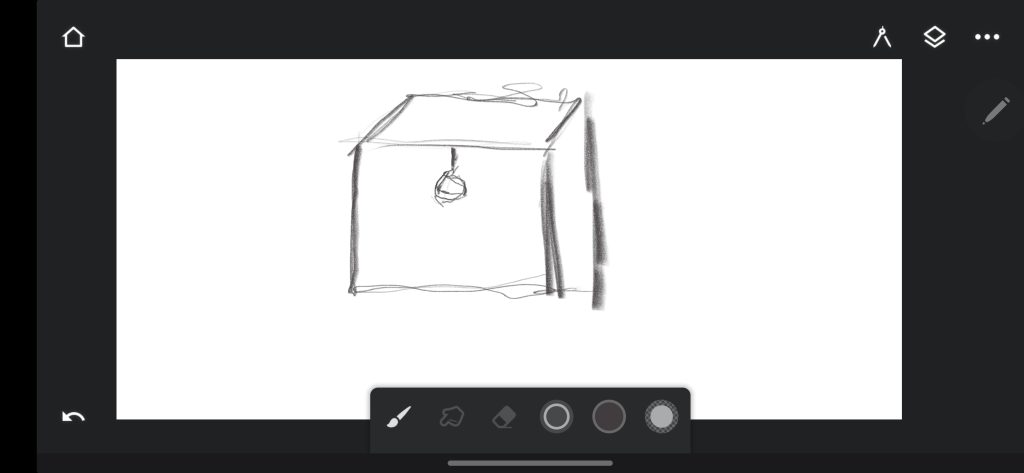
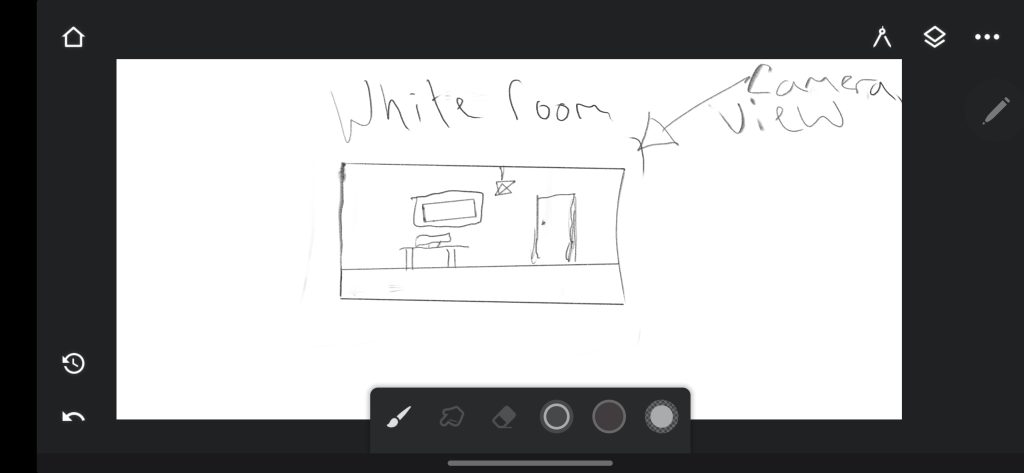
The next frame shows the user noticing a black door in the distance. It moves slightly, and a faint low hum leaks through. The contrast of black against white immediately draws attention and symbolises the hidden chaos beneath surface calm. The door represents the boundary between order and distraction an ever-present tension within the ADHD mind. The storyboard highlights the shift in light and sound as the user approaches the door: ambient tones become louder, and the lighting gradually darkens. This creates both curiosity and unease, leading to the next stage of the experience.
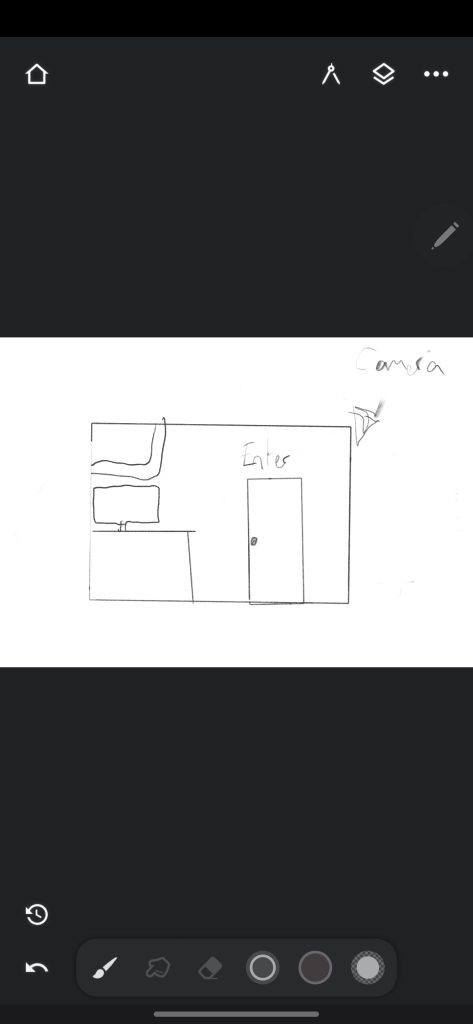
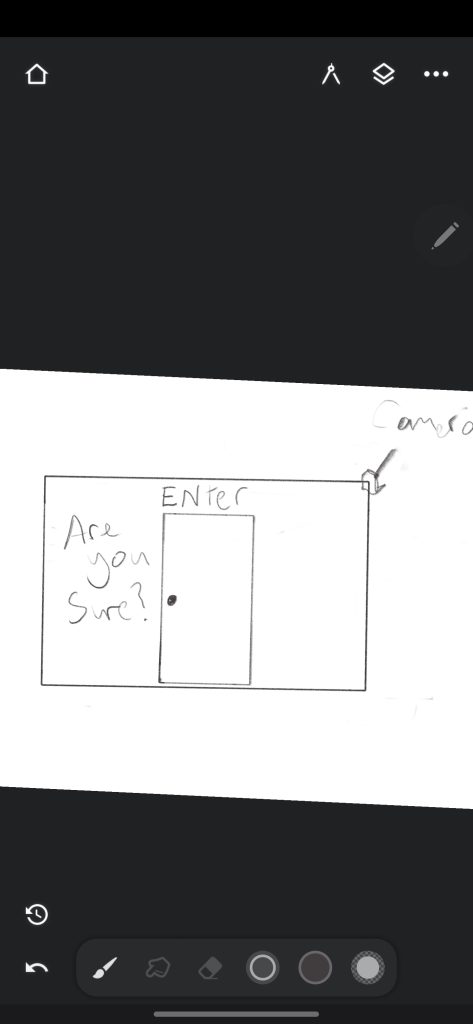
As the user reaches the door, the storyboard shows the transition moment. The edges of the scene distort, colours flicker, and subtle camera shake gives the impression of losing control. The user crosses the threshold and enters a chaotic room filled with overlapping sound, flashing light, and swirling motion. The shapes are abstract, the palette vivid, and the rhythm disorientating. Here, the storyboard conveys the feeling of overstimulation that comes with ADHD, too many competing thoughts and sensory inputs. This part of the journey is not intended to be frightening but rather expressive and empathetic, allowing others to experience that intensity from a first-person perspective.
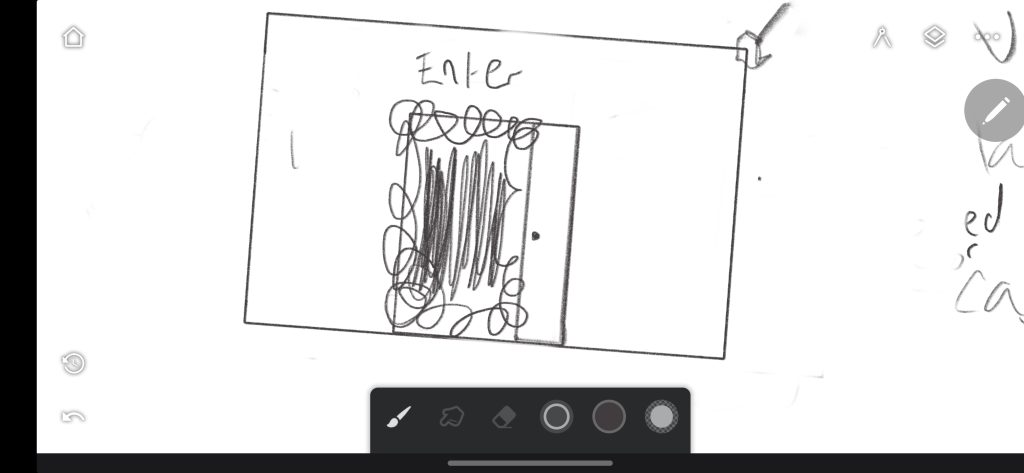
The final frames represent resolution and reflection. The light dims and the chaotic movement begins to fade. Slowly, the scene transitions back towards calm not a perfect return to order, but a balance between the two states. The screen fades to white, leaving behind a faint echo of the sounds from before. This ending symbolises how focus and chaos coexist rather than oppose one another, capturing the project’s core message: “Even in chaos, there is order. Everything continues.”
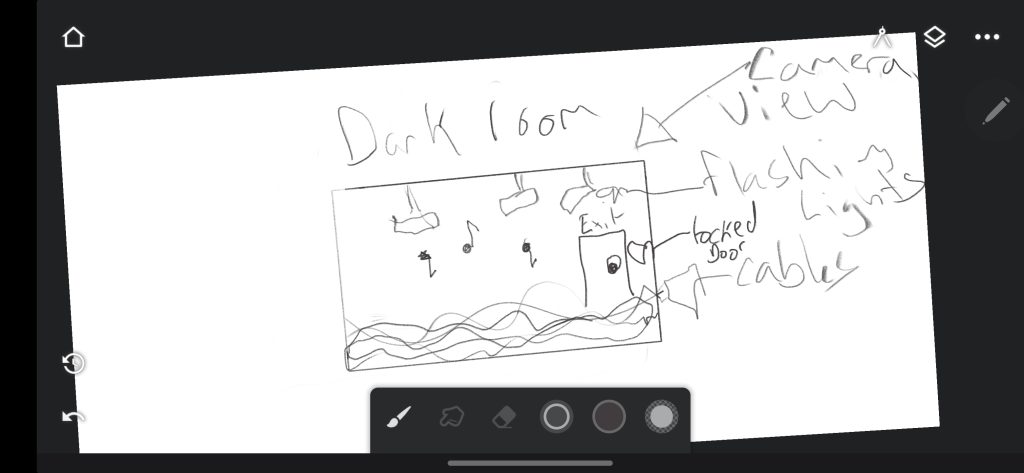
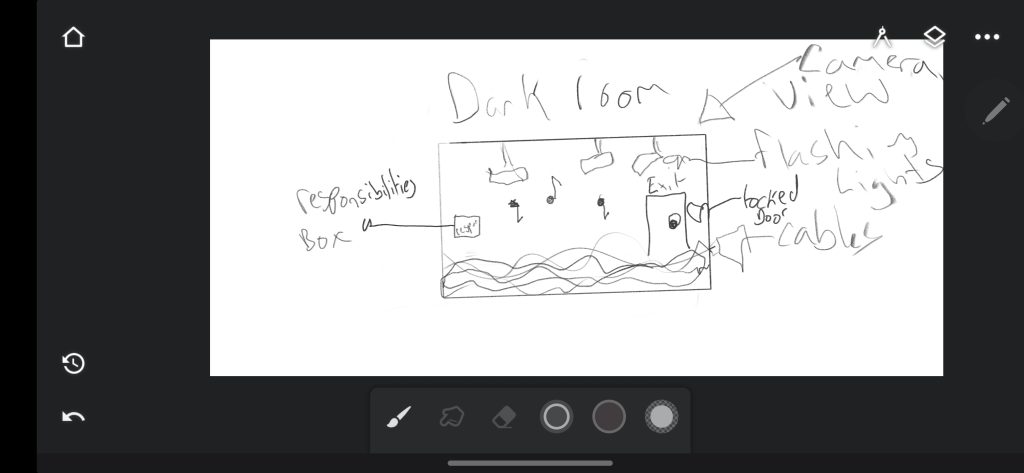
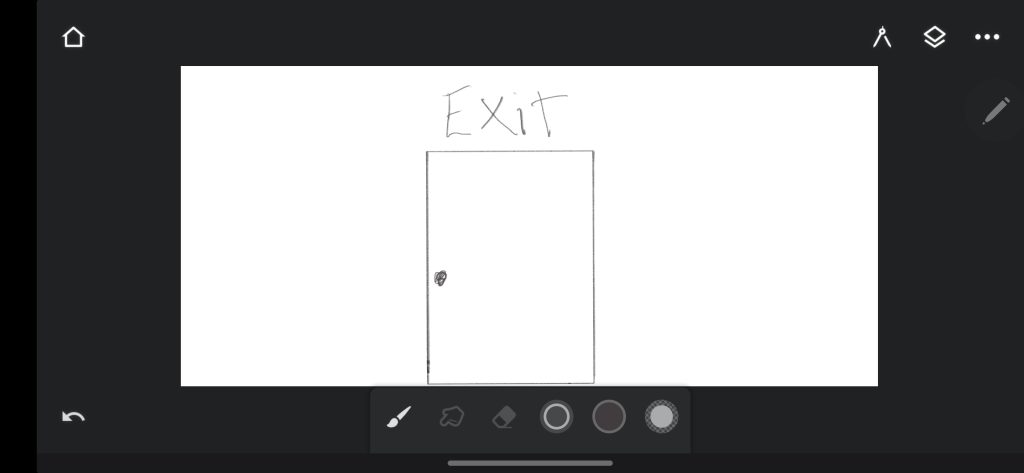
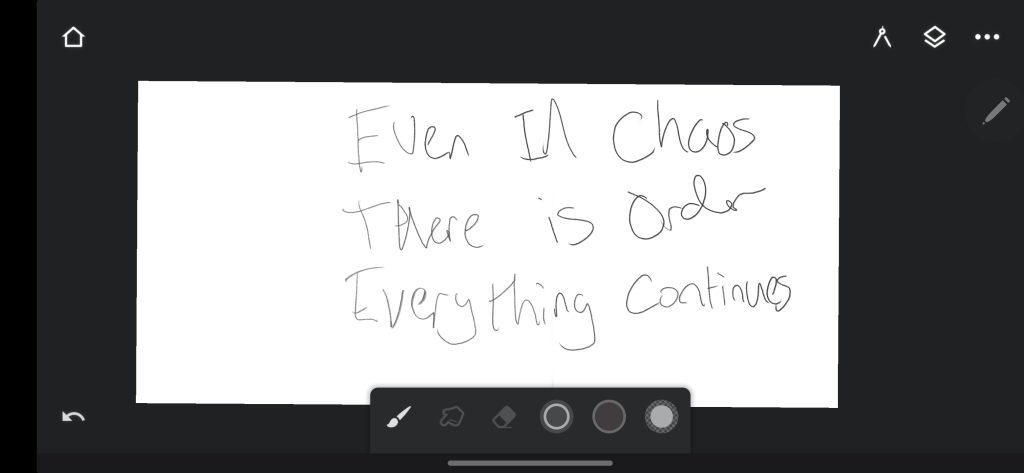
In terms of design thinking, the storyboard helped me test how emotional pacing and spatial transitions could guide user attention. I researched minimalist design theory and immersive storytelling techniques used by VR artists such as Marshmallow Laser Feast, who often use contrast and atmosphere to evoke feeling. By sketching out each stage, I identified how to use light, sound, and motion as UX tools rather than purely visual effects. The process also revealed how subtle changes such as the speed of movement or intensity of glow can shift the entire emotional tone.
If developed into a full VR or interactive gallery piece, this storyboard would serve as the blueprint for the user journey. It could be implemented in Unity or FrameVR, allowing viewers to explore the transition between calm and chaos at their own pace. Ultimately, the storyboard demonstrates how immersive storytelling can visualise internal experiences, transforming abstract emotions into spatial, sensory environments that engage empathy and reflection.
References:
Sperone Westwater, 2021. Wood Works: Raw, Cut, Carved, Covered. [online] Sperone Westwater. Available at: https://www.speronewestwater.com/exhibitions/wood-works [Accessed: 3 November 2025].
Rich, P., 2025. The Bauhaus School may have been short-lived, but its influence on design has endured – Our editor explores why. [online] Livingetc. Available at: https://www.livingetc.com/features/bauhus-design [Accessed: 3 November 2025].
Jose, G., 2024. Tag: Zen Interiors. [online] Beingjellybeans. Available at: https://beingjellybeans.com/tag/zen-interiors/ [Accessed: 3 November 2025].
Rowabi, 2024. Asian Zen Interior Design: Key Features & Best Practices. [online] Rowabi blog. Available at: https://www.rowabi.com/blogs/lab-of-wabi-sabi-blogs/zen-interior-design?srsltid=AfmBOopjMenMRkLEqmdlHNCaJW00Cl7RDKqpLMzwSVVv0yQHyg86QQM [Accessed: 3 November 2025].
Eriksen, M., 2024. Embracing Neurodiversity in UX Design: Crafting Inclusive Digital Environments. [online] UX Matters. Available at: https://uxmatters.com/mt/archives/2024/04/embracing-neurodiversity-in-ux-design-crafting-inclusive-digital-environments.php [Accessed: 3 November 2025].