Nonprofit organizations have gained greater visibility thanks to the internet, like how traditional businesses have benefited from it. This increased visibility is largely due to universal accessibility, which means more people can find and support these organizations. A well-designed website enhances trustworthiness; the better the design, the more likely people are to engage.
Modern advancements in web development have transformed nonprofit websites from simple, text-based formats in the early ’90s to visually appealing platforms with dynamic content. This evolution allows nonprofits to stand out in a constantly changing digital landscape, ultimately helping them attract more attention and funding. With social media integration and online marketing strategies, nonprofits can reach potential supporters in innovative ways, creating a vibrant online community around their cause.
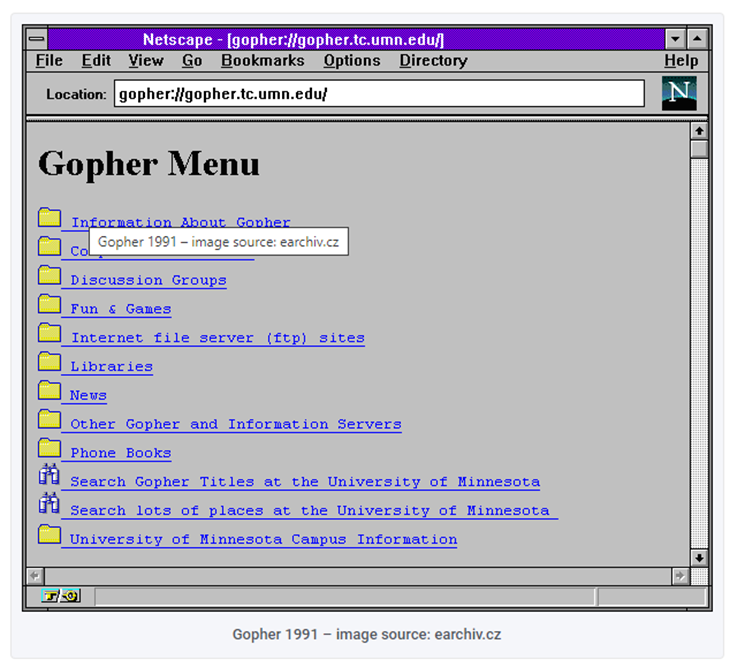
According to researchers Garett et al. (2016) Effective design in websites and mobile applications is critical for several reasons, including organization, navigation, graphical representation, multimedia content, and simplicity. By focusing on these aspects, nonprofits can improve their online presence and reach a wider audience. However, they still rely on community support, as all gains are directed towards helping the people they serve. This reliance on community contributions highlights the importance of transparency and engagement; organizations that communicate openly about their goals and progress tend to build stronger relationships with their supporters.
One example of a nonprofit that has effectively utilized the web is “Electric Eels.” Their website features a clean and concise design with intuitive drop-down menus and engaging imagery. By effectively using storytelling and multimedia elements, nonprofits like Electric Eels can convey their mission and impact, compelling visitors to contribute.
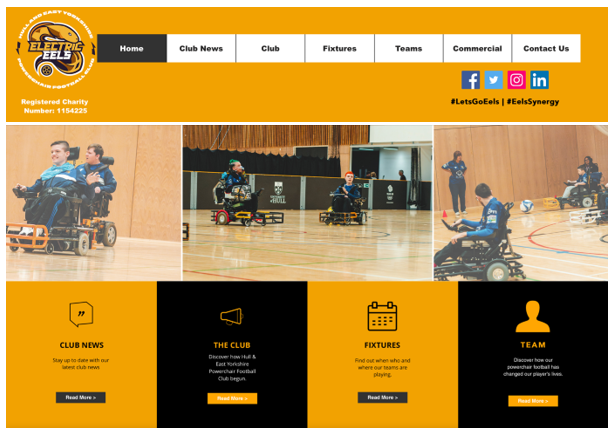
Websites today are far more interactive than they used to be. Simple elements, like hovering over a specific area to reveal additional content, have become common. New techniques, such as using the scroll wheel to browse photos horizontally instead of vertically, have enhanced functionality and user engagement. This is a significant shift from the early days of the web, when websites were mostly static, featuring basic text and hyperlinks that simply directed users to other sites.
A great example of how modern web applications have been effectively used is the ALS Ice Bucket Challenge on Facebook. Participants recorded themselves talking about the organization, then nominated friends, family, or celebrities to pour freezing water over their heads to raise awareness for Amyotrophic Lateral Sclerosis. The challenge became a viral sensation, and even 10 years later, the ALS website continues to reflect the campaign’s impact, encouraging ongoing participation. The internet has fundamentally changed how nonprofit organizations operate, allowing them to innovate, engage, and attract support in ways that were previously unimaginable. As technology continues to evolve, nonprofits that adapt to these changes will likely thrive, further enhancing their capacity to effect positive change in their communities.