App Development:
The development of the event’s mobile app represents a comprehensive effort to deliver a seamless and engaging user experience for attendees. Recognizing the unique constraints and opportunities of mobile platforms, I crafted 11 distinct screens tailored to address specific user needs and scenarios. From event schedules and interactive maps to social engagement features and networking tools, each screen is designed to enhance the overall event experience and facilitate meaningful interactions among participants. The app’s intuitive user interface and seamless integration with other event resources ensure that attendees can access vital information and engage with event content effortlessly, highlighting the importance of user-centered design and technological innovation in creating successful digital products. Additionally, the app’s onboarding process serves as a critical introduction to its features and functionalities, setting the stage for a positive user experience from the outset. This emphasis on usability and accessibility underscores the event’s commitment to delivering value and facilitating meaningful connections among attendees in the digital realm.
Design Tools:
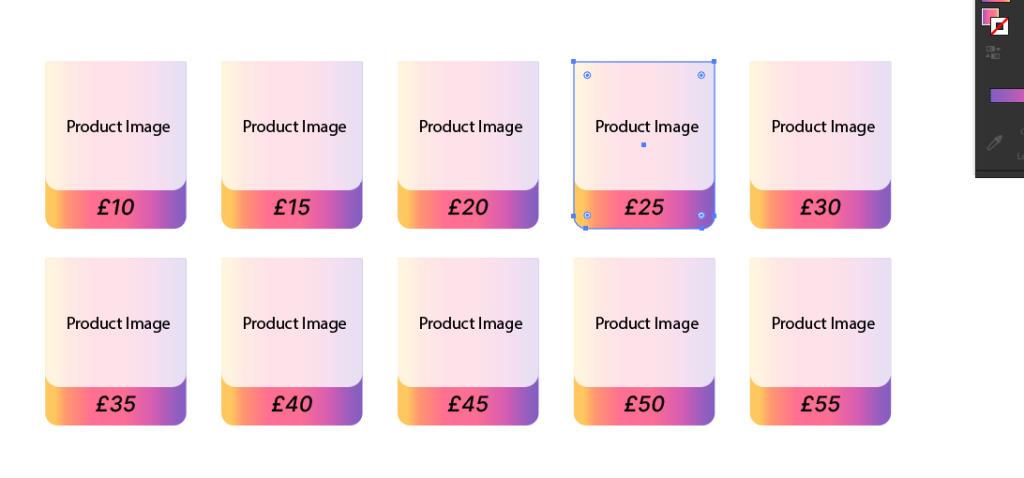
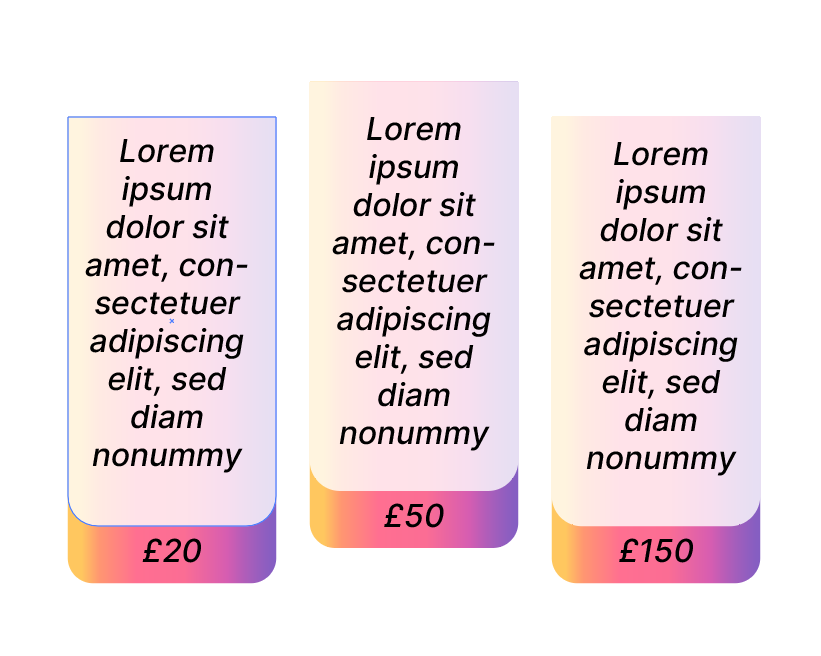
The event’s design process is facilitated by a combination of Adobe Illustrator and Figma, each offering unique capabilities and advantages for different aspects of the design workflow. Adobe Illustrator provides designers with powerful tools for creating intricate visual assets, such as gradient colours, custom icons, and complex shapes, with precision and control. Its robust feature set and intuitive interface enable designers to bring their creative visions to life while maintaining consistency and coherence across various design elements. In contrast, Figma serves as a collaborative platform for designing and prototyping digital interfaces, offering real-time collaboration features that streamline teamwork and iteration. By leveraging the strengths of both tools, I was able create immersive and impactful digital experiences that resonate with attendees and reflect the event’s brand identity and values.
App Onboarding:
The onboarding process for the event’s mobile app serves as a critical introduction to its features and functionalities, aimed at facilitating a seamless and engaging user experience for attendees. Leveraging principles of user-centered design, the onboarding flow is designed to be intuitive, informative, and visually appealing. Upon launching the app for the first time, users are guided through a series of screens that highlight key benefits and features, such as creating an account, customizing preferences, and accessing event content. Interactive tutorials and tooltips provide additional guidance, ensuring that users feel confident and empowered to navigate the app’s interface effectively. This emphasis on usability and accessibility underscores the event’s commitment to delivering value and facilitating meaningful connections among attendees in the digital realm, highlighting the role of design in shaping user experiences and driving engagement in digital environments.
Mood Board:
In curating my mood board, I embarked on a journey of exploration through the digital landscape, immersing myself in websites characterized by immaculate layouts and bold, vibrant colours. Drawing inspiration from a diverse array of online platforms, I sought to distil the essence of design excellence and creativity into a cohesive visual narrative. Armed with Figma, a versatile design tool renowned for its flexibility and collaborative capabilities, I embarked on a meticulous process of research and analysis, dissecting each website to uncover its underlying design elements and aesthetic nuances.
One of the key themes that emerged from my exploration was the importance of clean, organized layouts in facilitating intuitive navigation and enhancing user experience. I gravitated towards websites that showcased a mastery of whitespace and grid-based design principles, where every element was thoughtfully positioned to create a harmonious visual hierarchy. From minimalist portfolios to sleek e-commerce platforms, I gleaned insights into the power of simplicity and restraint in capturing audience attention and conveying information effectively.
In addition to layout considerations, I was captivated by the bold and unconventional use of colour in certain websites, where vibrant hues and unexpected colour combinations served as a visual feast for the eyes. From electric blues to fiery oranges, these out-of-the-box colour schemes injected a sense of dynamism and personality into the digital realm, challenging traditional design norms and stimulating creativity. Inspired by these daring colour choices, I resolved to infuse my mood board with a similar sense of vibrancy and energy, harnessing colour as a powerful tool for visual storytelling and brand expression.
As I delved deeper into my research, I began to identify specific design elements and motifs that resonated with me on a personal level. Whether it was the sleek typography of a fashion blog or the whimsical illustrations of a travel website, each discovery sparked a creative spark within me, igniting ideas and possibilities for my own design project. Drawing on these inspirations, I carefully curated a collection of images, textures, and colour palettes that encapsulated the essence of my vision, weaving them together into a cohesive mood board that served as a visual manifesto of my design philosophy.
Throughout the process, Figma emerged as my faithful companion, providing me with the tools and flexibility to bring my creative vision to life with precision and finesse. From experimenting with different layouts to fine-tuning colour palettes, Figma empowered me to iterate rapidly and explore new possibilities, allowing me to refine my ideas and concepts iteratively.
In essence, my mood board represents a synthesis of inspiration and imagination, distilled from a rich tapestry of online influences and personal insights. It serves as a visual roadmap for my design journey, guiding me towards the realization of a digital experience that is not only visually compelling but also intuitive, engaging, and memorable. Through the lens of my mood board, I aspire to create a design that transcends mere aesthetics, resonating with audiences on a deeper emotional level and leaving a lasting impression in the digital landscape.
I used a plugin tool from Figma for icons used on the website and app called Brandfetch.
Assests: